What to Ask Before Your Pet Has Surgery at an Animal Surgical Hospital Near Germantown, TN
Choosing the right place for your pet's surgery is one of the most important decisions you can make as a pet owner, and knowing which questions to ask can give your dog or cat a safer, smoother experience at an animal surgical hospital near Germantown, TN. This guide walks you through key questions covering surgeon credentials, anesthesia protocols, accreditation, post-op care, and cost expectations.
What Surgical Services Does the Hospital Offer?
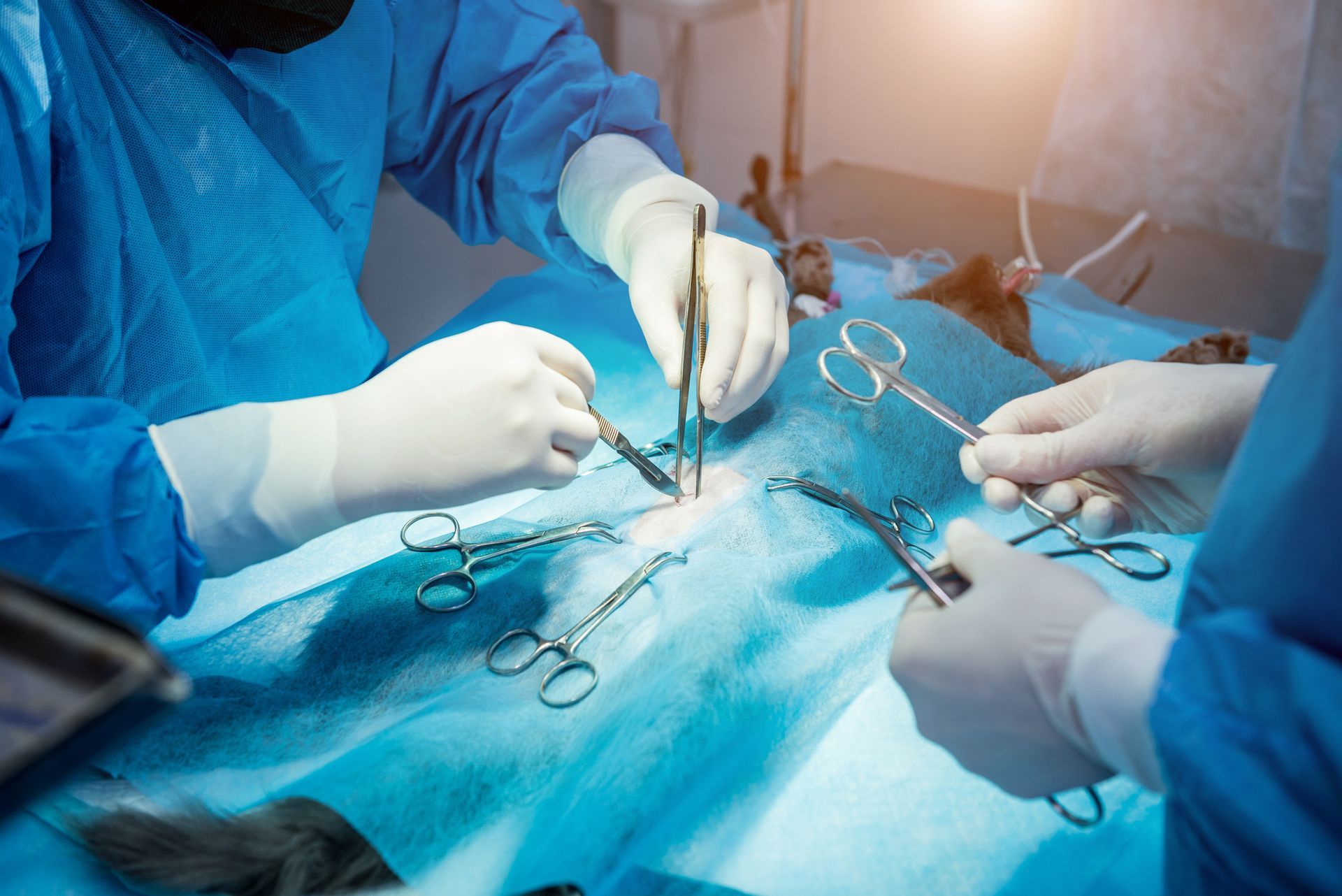
A full-service animal surgical hospital near Germantown, TN can handle far more than routine spays and neuters. Ask which procedures are performed in-house and which require a specialist referral. Common in-house services may include soft tissue surgeries, mass removals, orthopedic procedures, and spaying and neutering. Knowing the scope upfront helps you decide whether the hospital is equipped for your pet's specific needs.
Also ask whether the team has experience with your pet's breed. Brachycephalic dogs, for example, carry added anesthesia risks that experienced teams will already know how to manage.
Questions to Ask About Surgical Services
▸ Does the hospital perform my pet's specific procedure on-site?
▸ Has the team operated on my pet's breed before?
▸ If a specialist is needed, does the hospital coordinate referrals?
How Are Surgeon Credentials and Hospital Standards Verified?
Ask whether the veterinarians hold current Tennessee licensure and whether the hospital follows professional standards such as those set by the American Animal Hospital Association (AAHA). Practices that pursue formal accreditation are held to defined protocols covering equipment calibration and staff training. When evaluating an animal surgical hospital near Germantown, TN, review the surgery and pain management page or ask the front desk about the surgical team's experience level.
Credential and Accreditation Questions to Bring
▸ Are veterinarians licensed in Tennessee and in good standing?
▸ Does the hospital follow accreditation standards, and what do those cover?
▸ Can I meet the veterinarian before the day of surgery?
What Anesthesia and Pain Management Protocols Are Used?
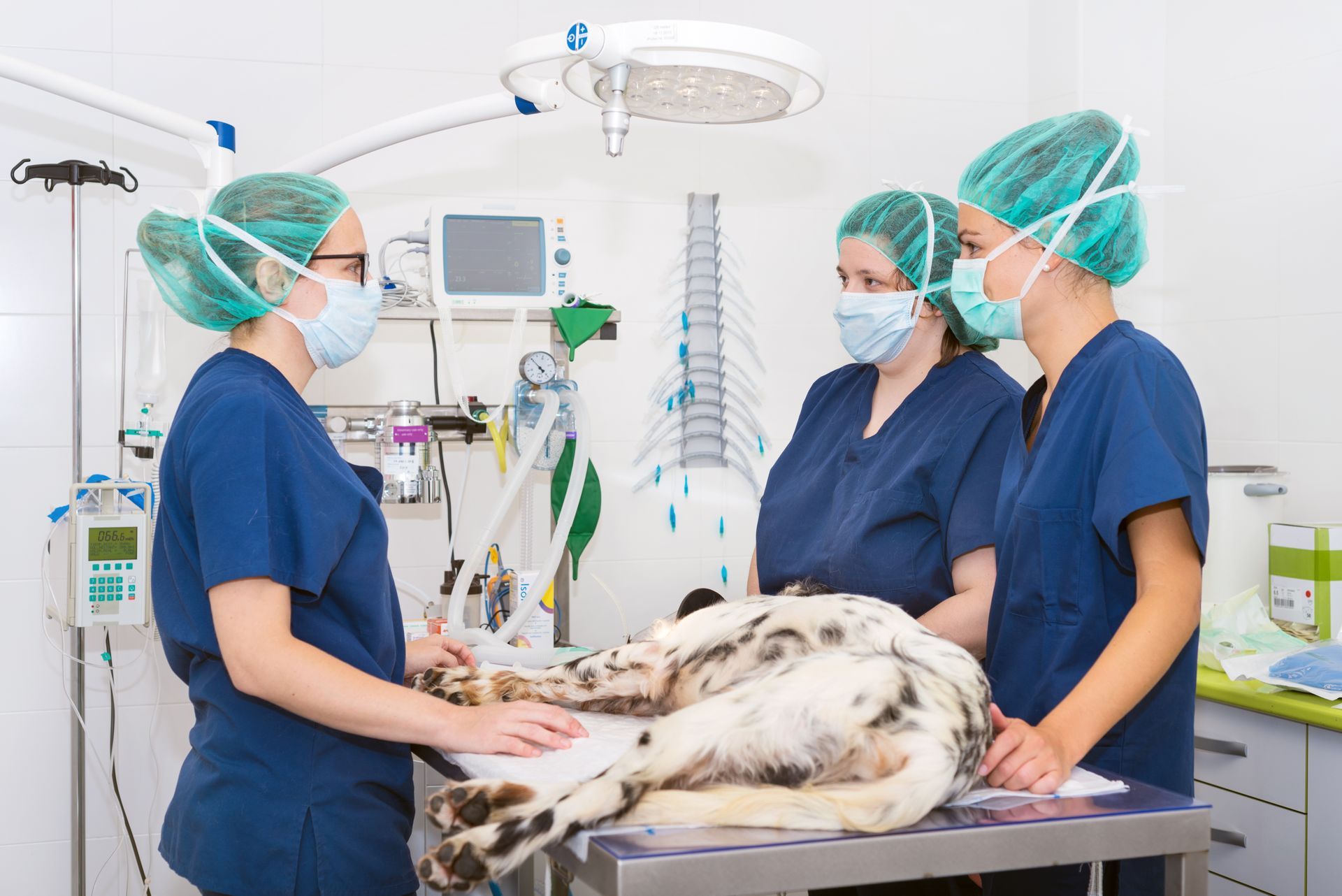
Safe anesthesia is a pillar of successful veterinary surgery. Ask whether your pet will receive pre-anesthetic blood work to screen for hidden risks such as kidney or liver concerns before anesthesia is administered. Confirm that a trained technician or veterinarian monitors vitals throughout the procedure.
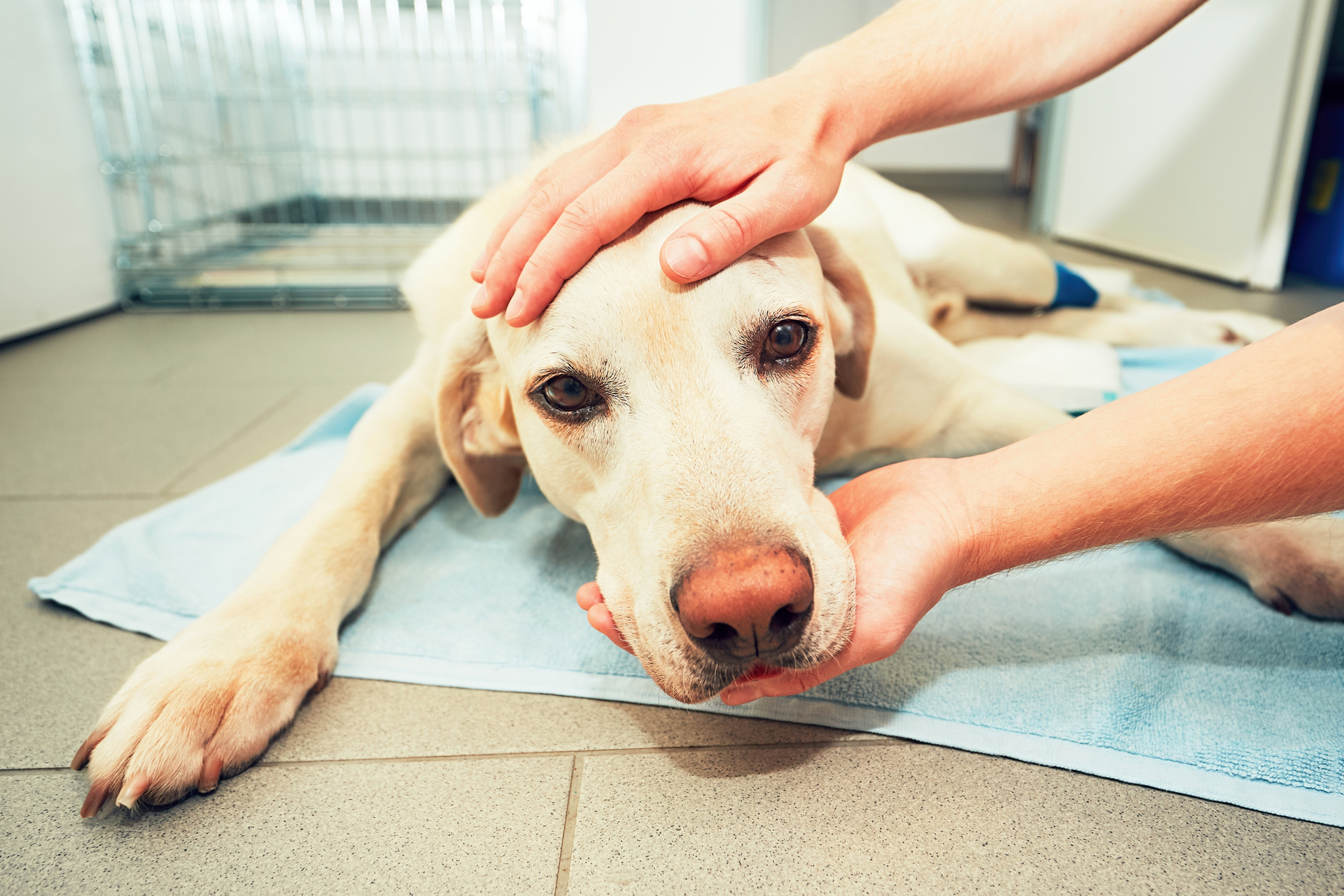
Pain management should not stop in the operating room. A hospital offering multimodal pain control, which may include local nerve blocks, injectable medications, and take-home prescriptions, can meaningfully improve your pet's comfort and recovery speed.
Anesthesia and Pain Control Questions to Ask
▸ Will my pet receive pre-surgical blood work?
▸ Who monitors anesthesia, and what equipment is used?
▸ What pain management options are available after surgery?
What Does Post-Op Care and Recovery Look Like?
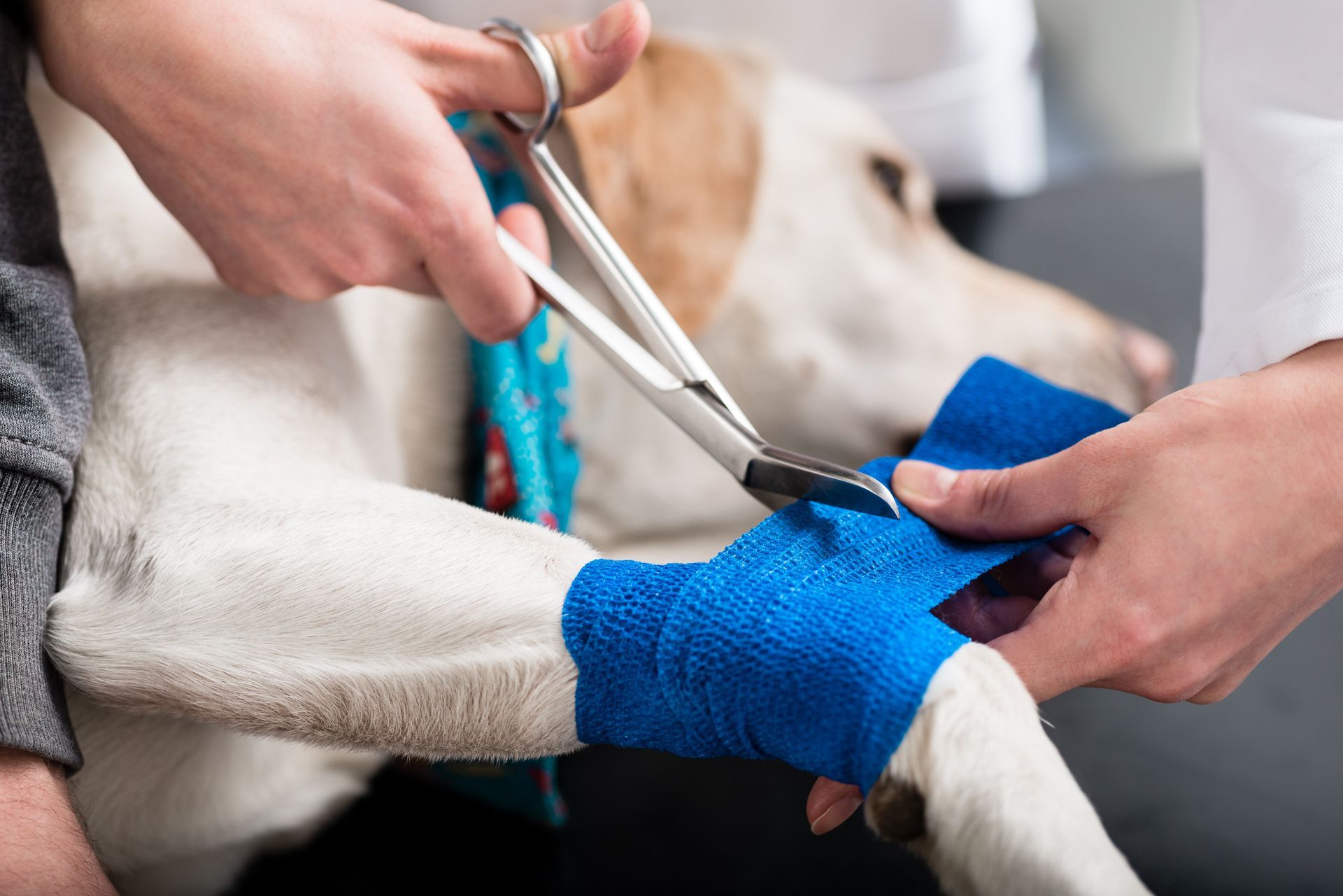
Ask for written post-operative instructions, since detailed written guidance prevents confusion at home. Find out how the team handles complications if your pet shows signs of distress after discharge, and whether follow-up recheck exams are included in the surgical process. The right animal surgical hospital near Germantown, TN will provide clear discharge instructions and a defined protocol for reaching the care team after hours.
Post-Op Recovery Questions Worth Asking
▸ Will I receive written discharge and aftercare instructions?
▸ What signs of complications should prompt an emergency call?
▸ Is a follow-up recheck exam scheduled after surgery?
▸ What activity restrictions will my pet need during recovery?
What Should I Expect Regarding Estimates and Payment?
Ask for a written estimate that breaks down charges for the procedure, anesthesia, monitoring, medications, and follow-up visits. Ask whether the hospital accepts third-party financing such as CareCredit and what the policy is if complications arise and costs change mid-procedure.
Frequently Asked Questions About Pet Surgery Near Germantown, TN
Is the Hospital Accredited?
Not all veterinary hospitals pursue formal accreditation, but asking directly about protocols for surgical safety, equipment maintenance, and staff training tells you a great deal about the practice's commitment to quality care.
What Surgical Procedures Are Typically Available?
Common in-house surgeries may include soft tissue procedures, mass removals, spaying, neutering, and certain orthopedic interventions. Specific availability varies by hospital, so asking during your consultation is always the right step.
How Do I Prepare My Pet for Surgery?
Most hospitals ask you to withhold food after a certain point the evening before surgery. Your veterinary team will provide specific fasting instructions based on your pet's age, weight, and the procedure planned.
What if My Pet Needs Emergency Care After Surgery?
Ask about the hospital's after-hours protocol before surgery day. Knowing who to call and where to go in advance can save critical time if your pet needs urgent attention during recovery.
Bring Your Questions to a Hospital That Welcomes Them
Asking the right questions is a sign of a responsible pet owner, and a surgical team that welcomes them is a sign of a trustworthy hospital. Pets in and around Germantown, TN deserve care from an animal surgical hospital near Germantown, TN that prioritizes transparency, safety, and compassionate communication at every step.
If you are ready to discuss your pet's surgical needs,
contact the team or call
(901) 371-9653 to schedule a consultation.
Wolfchase Animal Hospital is a trusted animal surgical hospital serving Germantown, TN, and surrounding communities with surgical care, pain management, and compassionate support from the first consultation through full recovery.