What to Expect Before and After Your Pet's Surgery at an Animal Surgical Hospital Serving Germantown, TN
Preparing your pet for surgery can feel overwhelming, but knowing what to expect at every stage makes the experience far less stressful. Whether it is your first visit or a follow-up procedure, choosing the right animal surgical hospital near Germantown, TN, is one of the most important decisions you will make for your pet's health. This guide covers what pet owners in and around Germantown, TN, can expect before, during, and after a procedure at Wolfchase Animal Hospital.
What to Do Before Your Pet's Surgery
Pre-surgery preparation often determines how smoothly a procedure goes. Your veterinary team will give you specific instructions, but most animal hospitals in the Germantown and Bartlett areas follow similar pre-op guidelines.
Fasting Requirements
Most pets need to fast before surgery. Anesthesia can cause nausea, and an empty stomach reduces the risk of complications. Your vet will tell you exactly when to stop food and water for your specific pet.
Medication Review
Tell your vet about every medication, supplement, or flea treatment your pet is currently taking. Some products can interact with anesthesia or affect blood clotting. Your care team may ask you to pause certain medications before the procedure.
Pre-Surgery Exam and Lab Work
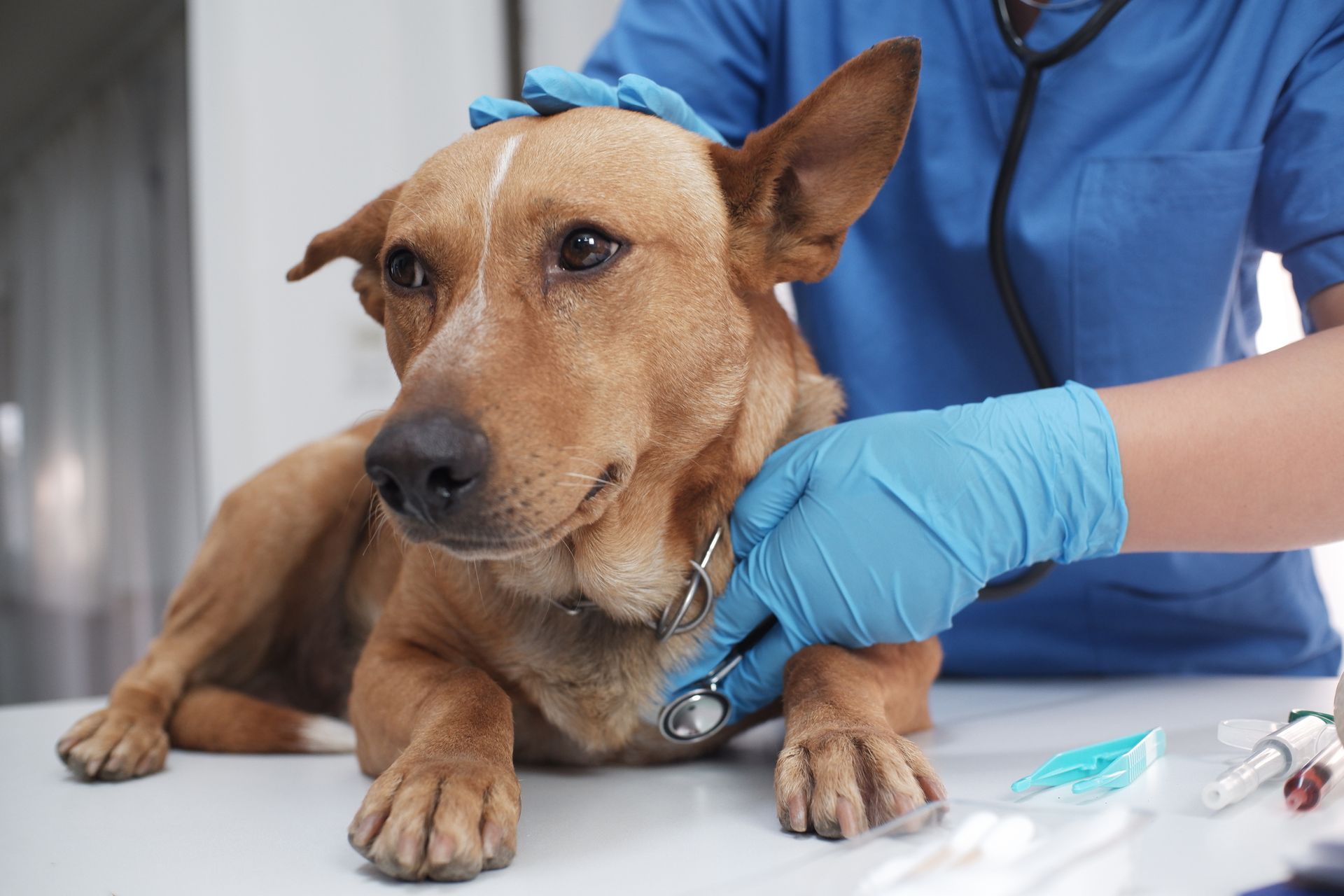
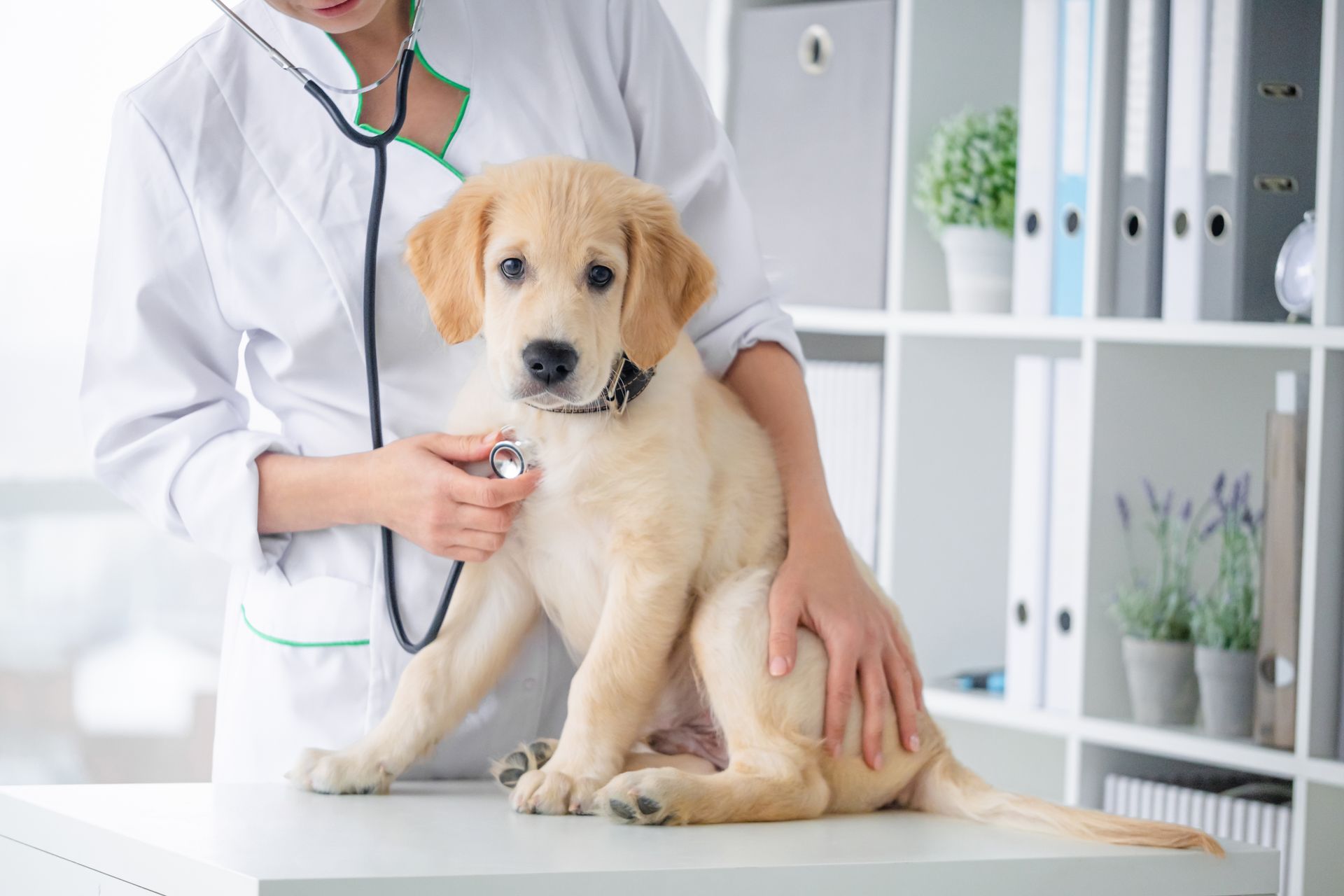
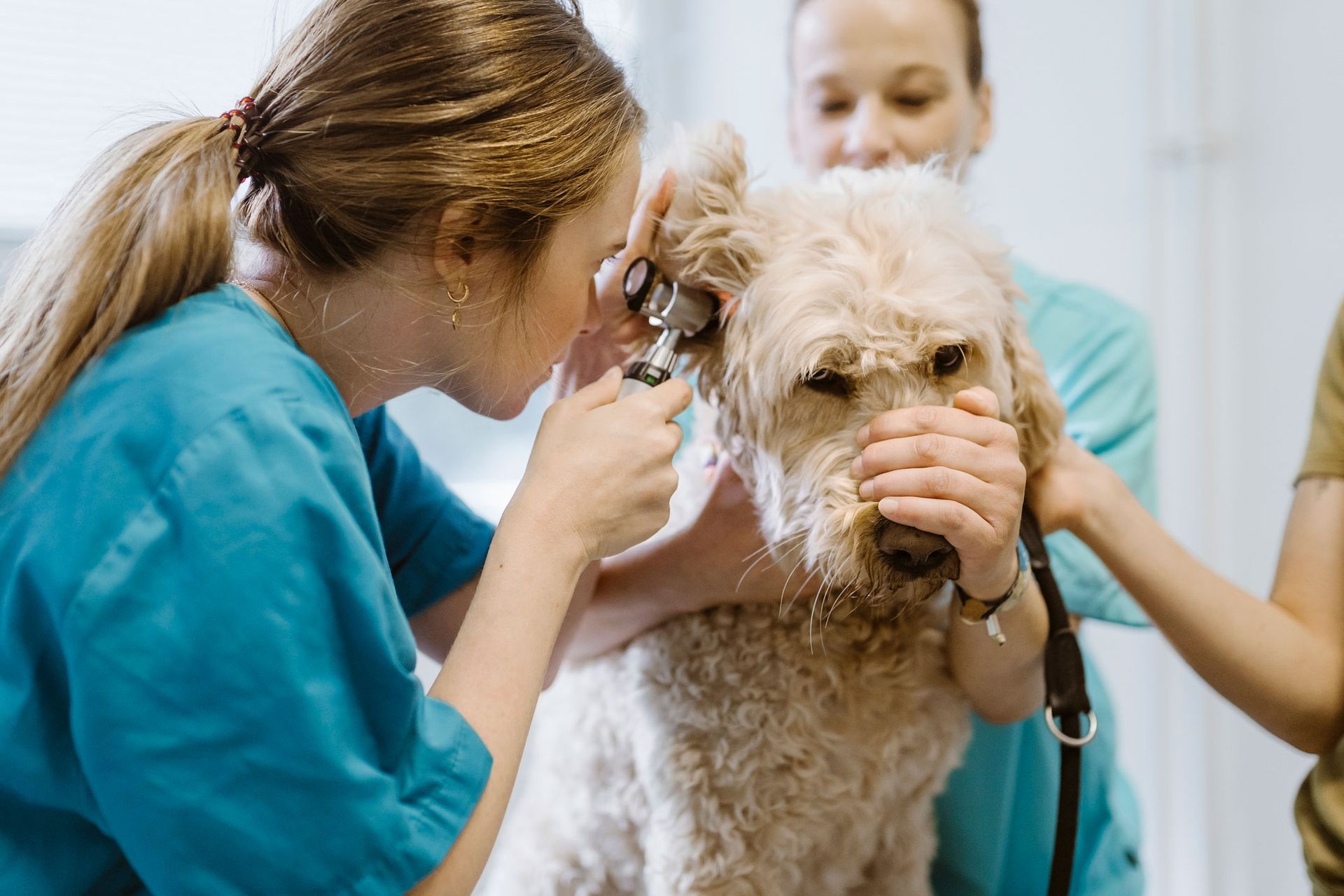
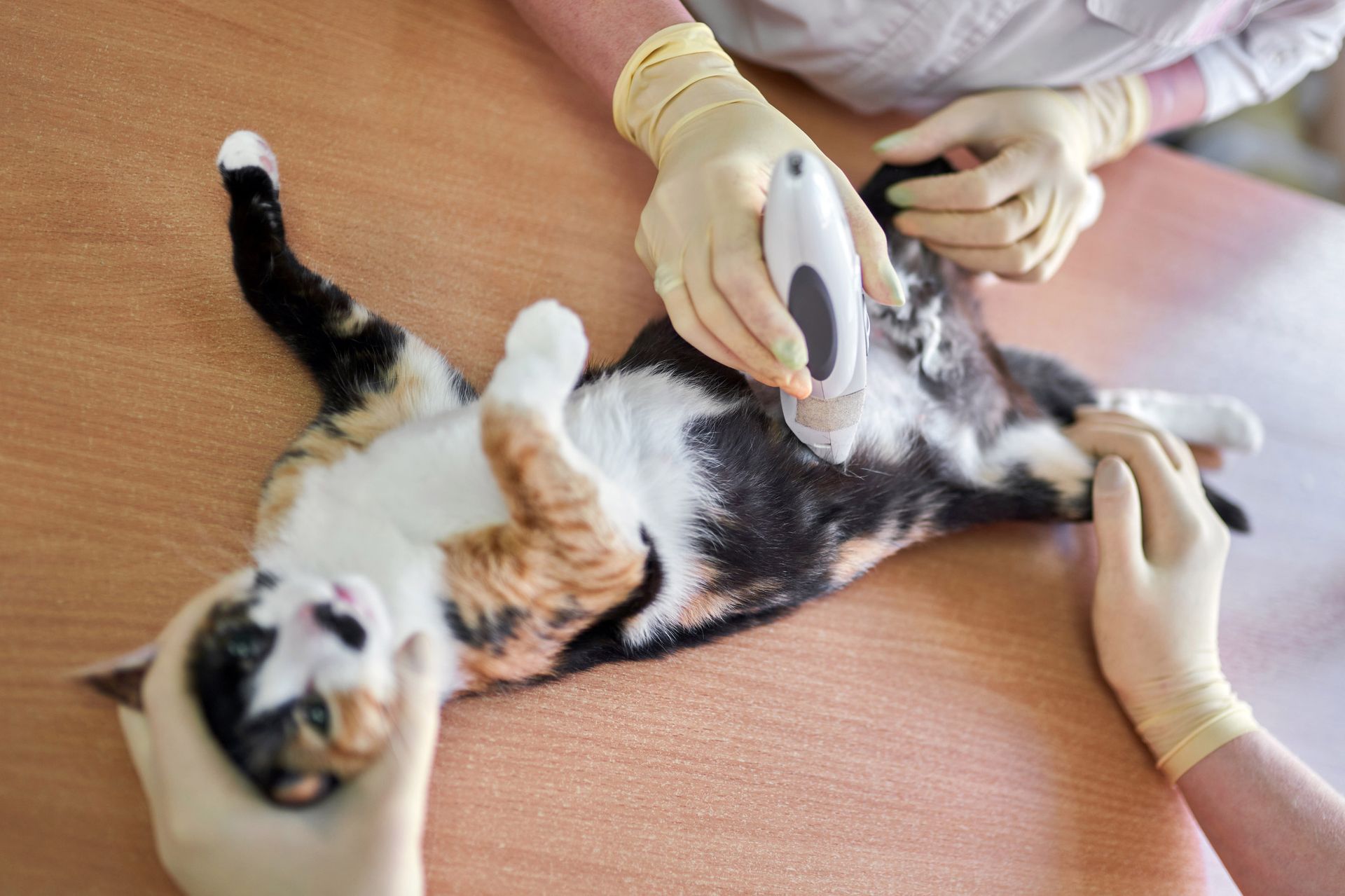
Your pet will typically receive a physical exam and may need bloodwork before going under anesthesia. These tests check organ function and flag hidden health concerns. For older pets or those with chronic conditions, this step is especially important. A reputable animal surgical hospital serving Germantown, TN, will use these results to customize the anesthesia protocol for your individual pet.
Transportation and Comfort
On surgery day, keep your pet calm and avoid stressful situations before the appointment. Use a secure carrier for cats and a leash for dogs. Arrive a few minutes early so your pet can settle before check-in.
What Happens During a Routine Veterinary Surgery?
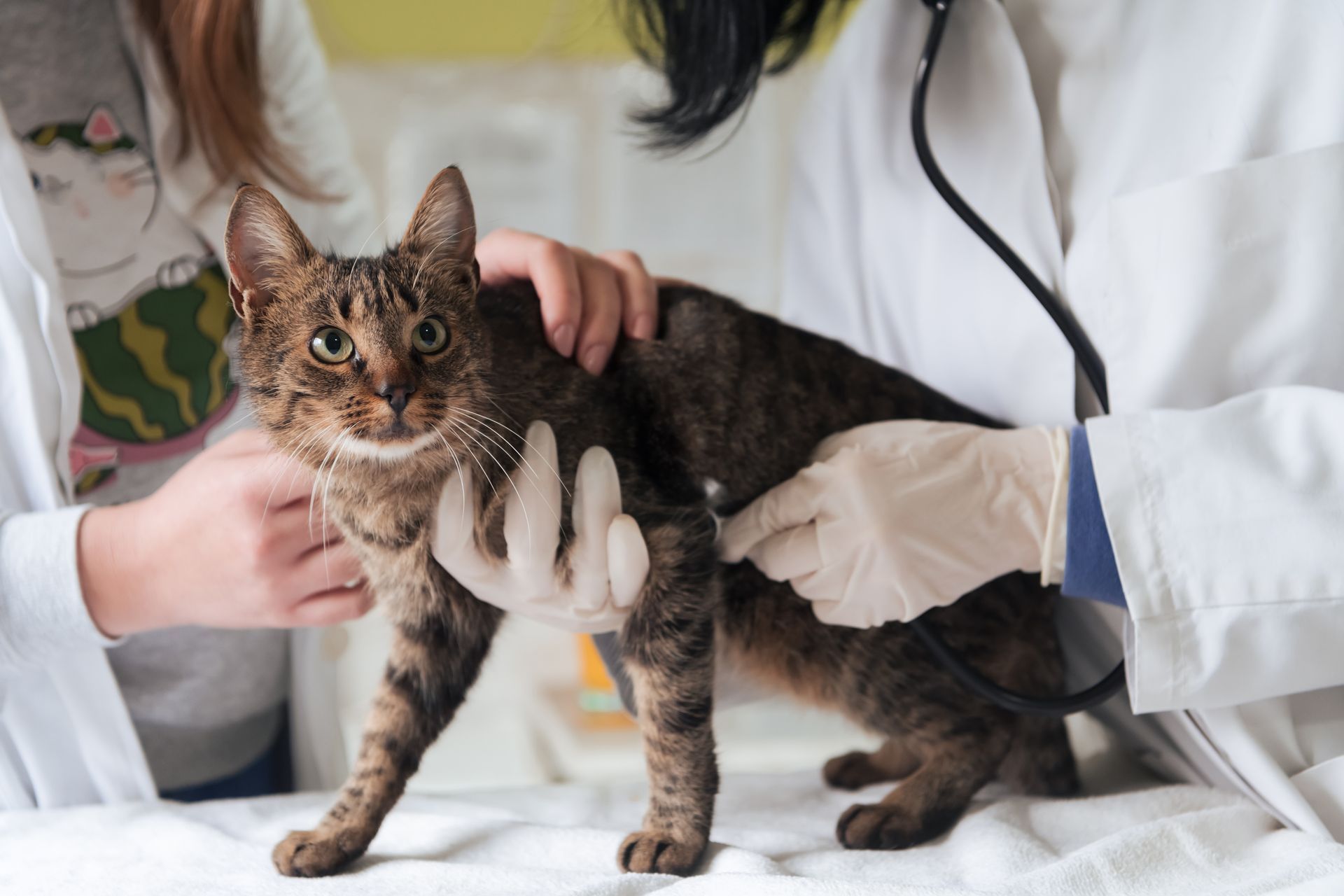
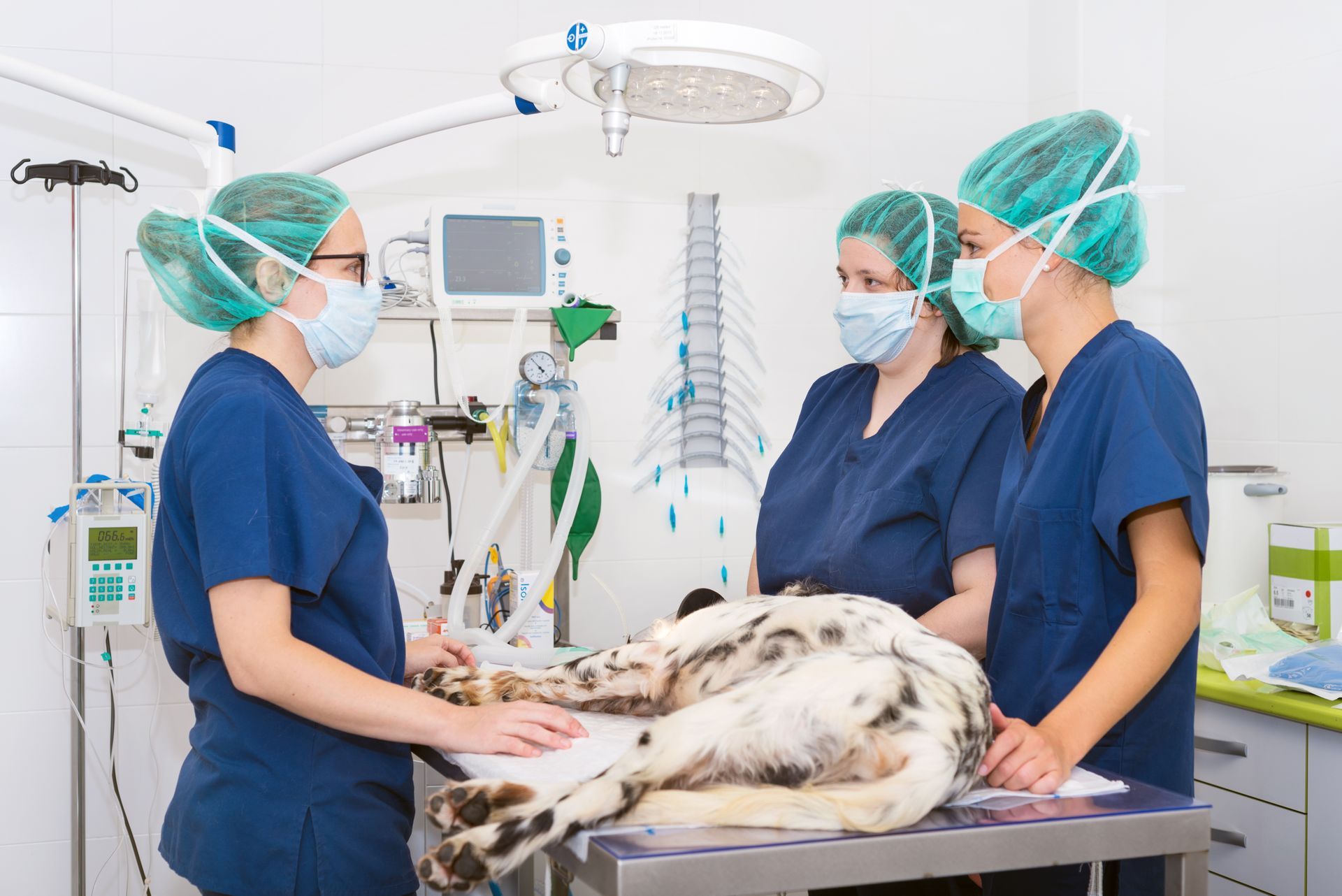
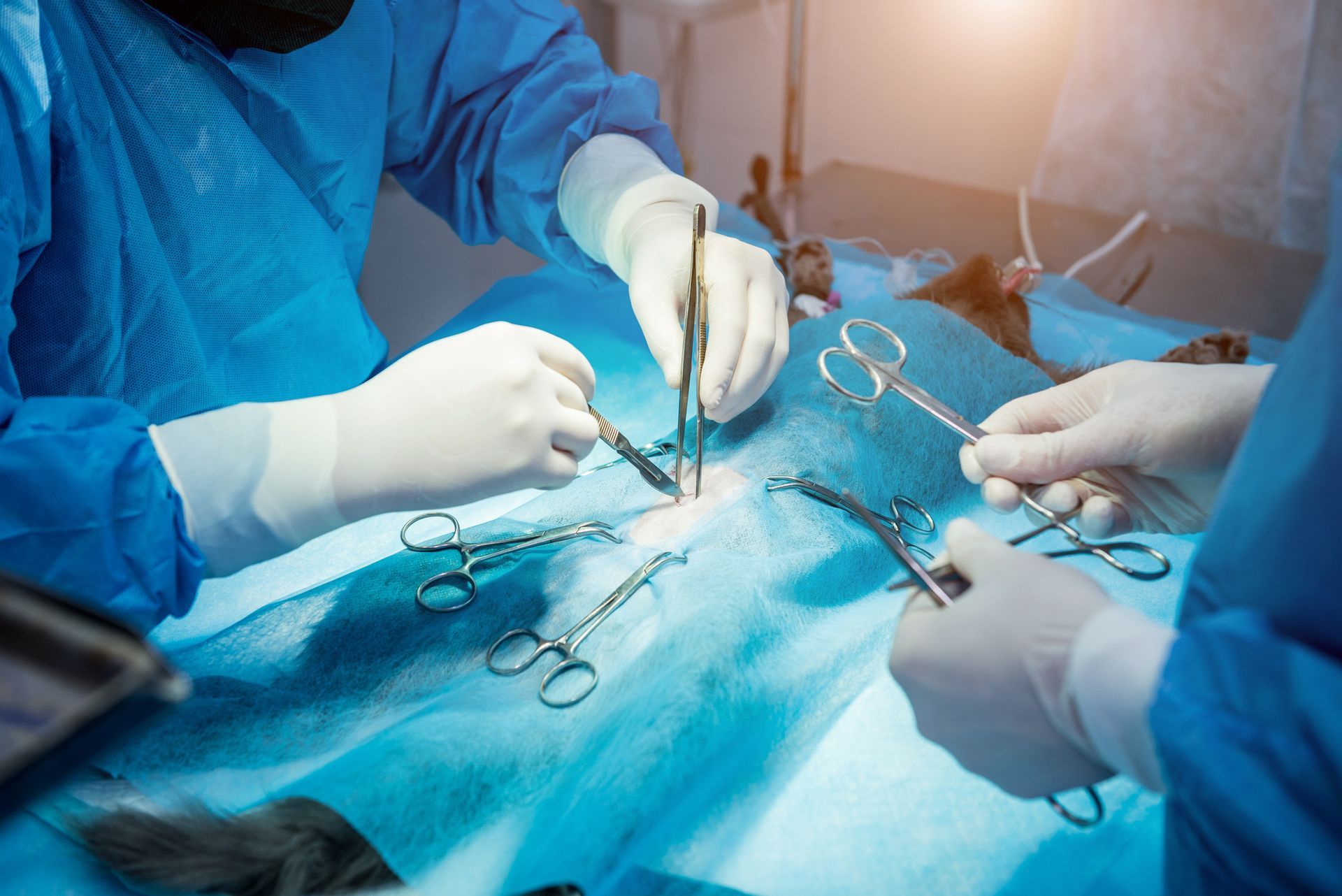
Once your pet is admitted, the surgical team performs a final pre-surgical assessment and administers anesthesia in a controlled, monitored setting. A trained technician monitors heart rate, breathing, and temperature throughout the procedure. For common surgeries like spays, neuters, soft tissue procedures, and mass removals, most healthy pets tolerate anesthesia well. When you trust an animal surgical hospital near Germantown, TN, with your pet's care, you can expect this level of monitoring and attention throughout every stage of the procedure. Learn more at the
surgery and pain management page.
How to Care for Your Pet After Surgery
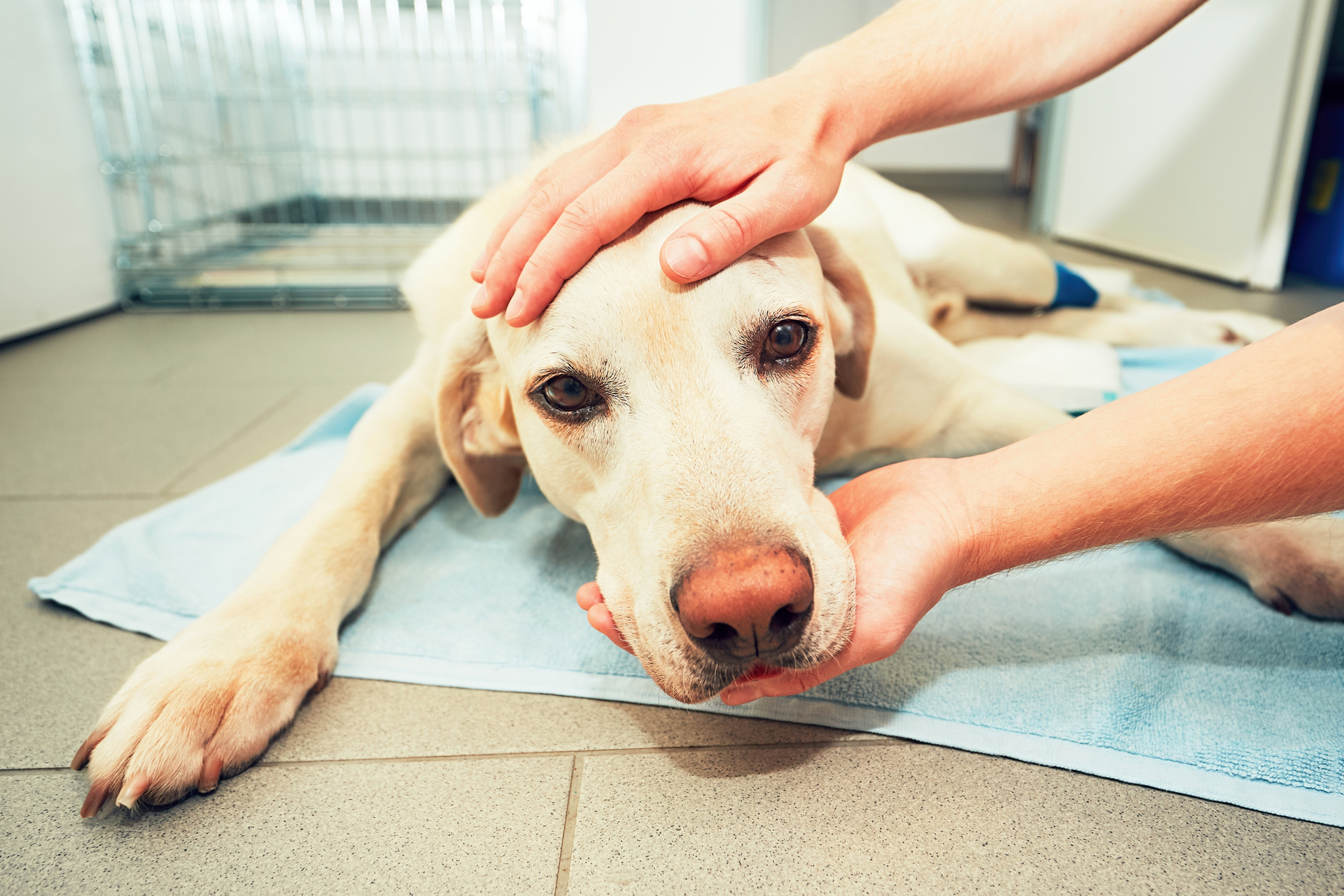
Post-operative care at home plays a major role in how quickly your pet heals. Following discharge instructions carefully reduces complications and gets your companion back on their feet sooner.
Wound Care
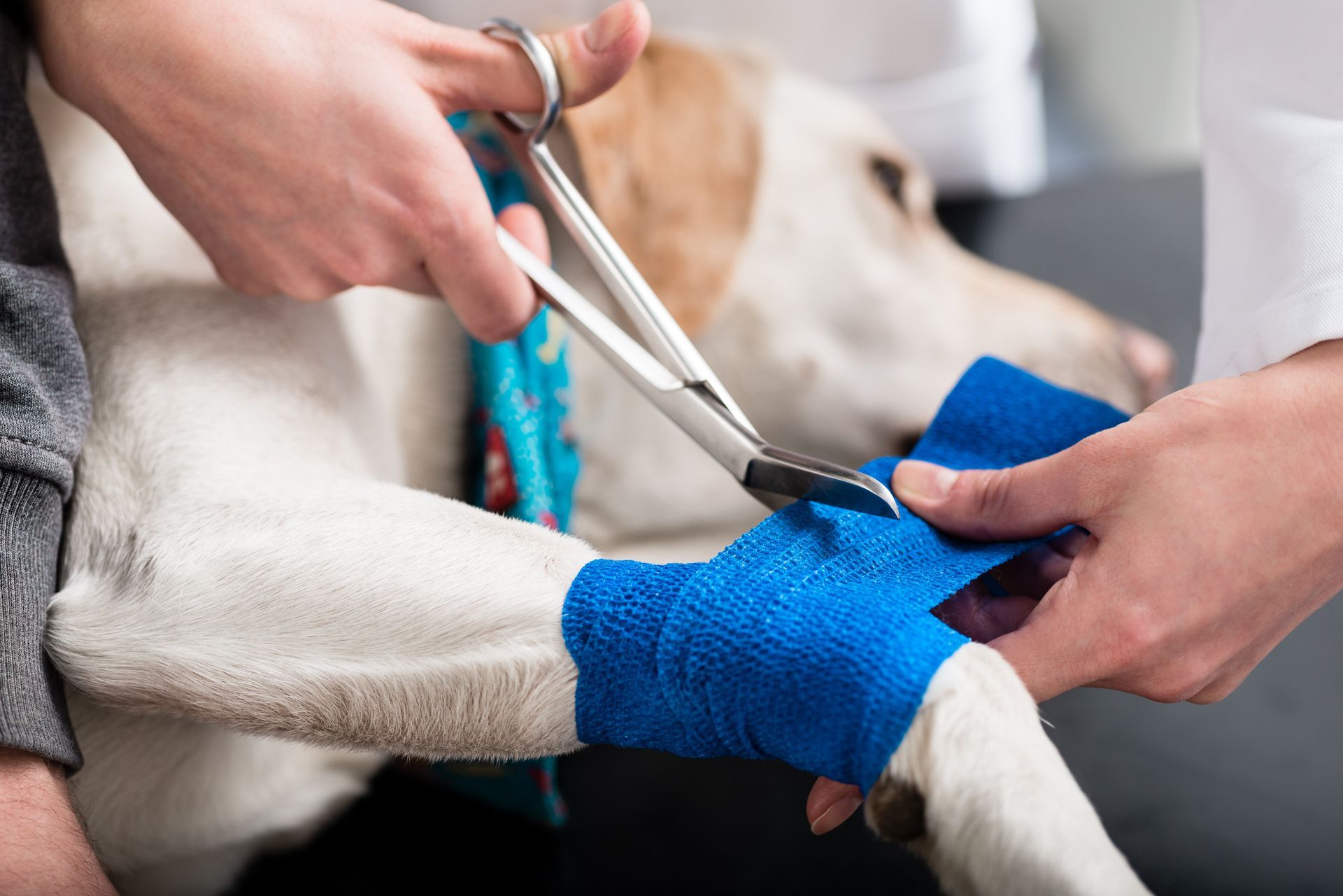
Check the incision site daily for swelling, redness, discharge, or unusual odor. Keep the area clean and dry. Most veterinary teams provide an e-collar to prevent your pet from licking or chewing the wound, behaviors that can introduce bacteria and delay healing.
Activity Restrictions
Rest is critical in the first several days after surgery. Limit running, jumping, and rough play even if your pet seems fine. Many pets feel well before the incision has fully healed. Leash walks only for dogs and confinement to one room for cats are common post-op recommendations in the Germantown and Bartlett area.
Medications and Pain Management
Your vet may send your pet home with pain relief medication or antibiotics. Give all medications exactly as directed and never substitute human medications, which can be toxic to pets. If your pet seems in significant discomfort despite medication, call your vet right away.
Food and Water
Offer small amounts of food and water when you get home. Some pets experience mild nausea after anesthesia and may not eat right away. This is usually normal, but contact your vet if your pet refuses food for more than 24 hours after surgery.
Follow-Up Appointments
Most surgeries require a recheck visit to inspect the incision and remove sutures if needed. Do not skip this appointment even if your pet appears fully healed. Internal healing may still be in progress, and your vet needs to confirm everything is on track.
When Should I Call the Vet After My Pet's Surgery?
Contact your veterinary team right away if you notice any of the following:
▸ Excessive bleeding or discharge from the incision site.
▸ Swelling that is increasing rather than improving.
▸ Vomiting or diarrhea persisting more than 24 hours after surgery.
▸ Difficulty breathing or extreme lethargy that does not improve within a few hours of arriving home.
▸ Sutures that appear to be opening or pulling apart.
▸ No urination within 12 to 24 hours of the procedure.
Catching complications early gives your pet a much better chance of a smooth recovery. The staff at a qualified animal surgical hospital serving Germantown, TN, can walk you through warning signs specific to your pet's procedure during discharge.
Does My Pet Need Pre-Surgery Bloodwork?
Pre-surgical bloodwork is commonly recommended, especially for pets over seven years old or those with underlying health conditions. It helps the vet assess kidney and liver function before anesthesia. Even for younger, healthy pets, vets may suggest baseline lab values to reduce risk.
How Long Does Recovery Take After Pet Surgery?
Recovery time depends on the procedure and your pet's overall health. Minor soft tissue surgeries may require only a few days of restricted activity, while orthopedic procedures may involve weeks of limited movement and physical therapy guidance. Your vet will provide a personalized recovery timeline at discharge.
Ready to Schedule? Wolfchase Animal Hospital Is Here for You
Surgery decisions are never easy, but working with a trusted team makes all the difference. As a leading animal surgical hospital serving Germantown, TN,
Wolfchase Animal Hospital offers surgery and pain management services designed to support your pet from pre-op through full recovery. To schedule a consultation or learn more,
contact the team online or call
(901) 371-9653 today.